If you’re pregnant and feeling:
-
Sharp pain when rolling in bed
-
Pressure in the front of your pelvis
-
Pain when getting out of the car
-
Discomfort walking or standing on one leg
You might be experiencing pelvic pain during pregnancy.
And while many people will say,
“It’s just part of being pregnant,”
that doesn’t mean you should ignore it.
Let’s break down what’s common, what’s not, and what you can actually do about it.
Why Pelvic Pain Happens During Pregnancy
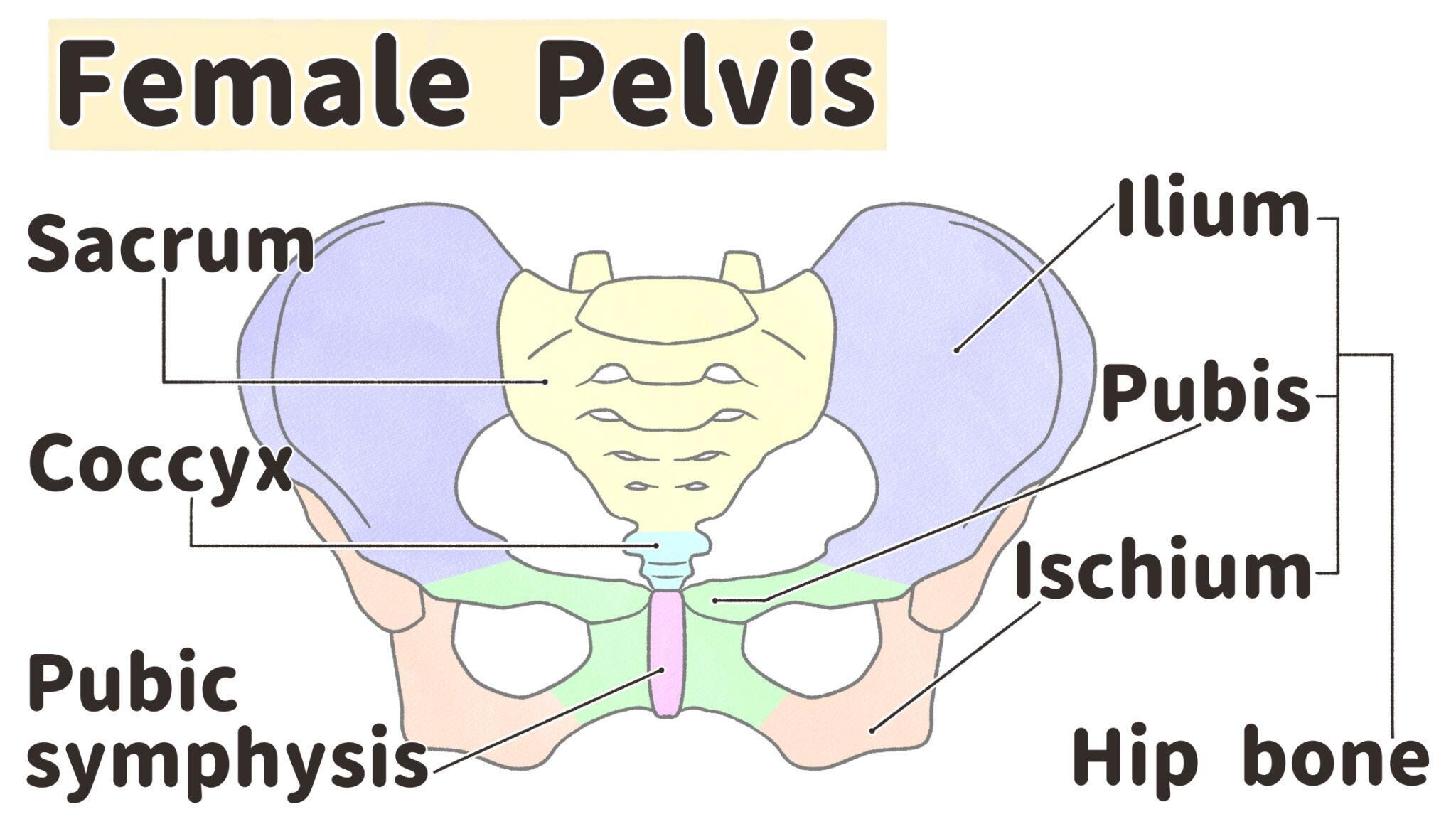
Your pelvis isn’t a single solid bone. It’s a ring made up of:
-
Two hip bones
-
The sacrum
-
The pubic symphysis in the front
During pregnancy:
-
Hormones increase ligament laxity
-
Your center of mass shifts forward
-
Abdominal muscles stretch
-
The pelvic floor adapts to increased load
If your muscles aren’t coordinating well with these changes, the joints of the pelvis can become irritated.
This is often labeled as:
-
SI joint pain
-
Pubic symphysis dysfunction
-
Pelvic girdle pain
-
Pelvic instability
But most of the time, it’s a load management and coordination issue, not a structural “damage” problem.
What’s Considered Common?
Some mild stiffness or pressure is common.
But red flags for needing support include:
-
Pain with rolling in bed
-
Pain when putting pants on
-
Limping
-
Sharp pain when stepping
-
Feeling unstable when walking
-
Pain that worsens as the day goes on
If daily tasks are becoming harder, your body likely needs help adapting.
Why Stretching Often Makes It Worse
This surprises many moms.
Because hormones already increase joint laxity, aggressive stretching can sometimes:
-
Increase irritation
-
Reduce stability
-
Make you feel looser but weaker
The real issue usually isn’t tightness.
It’s coordination.
What Actually Helps Pelvic Pain During Pregnancy
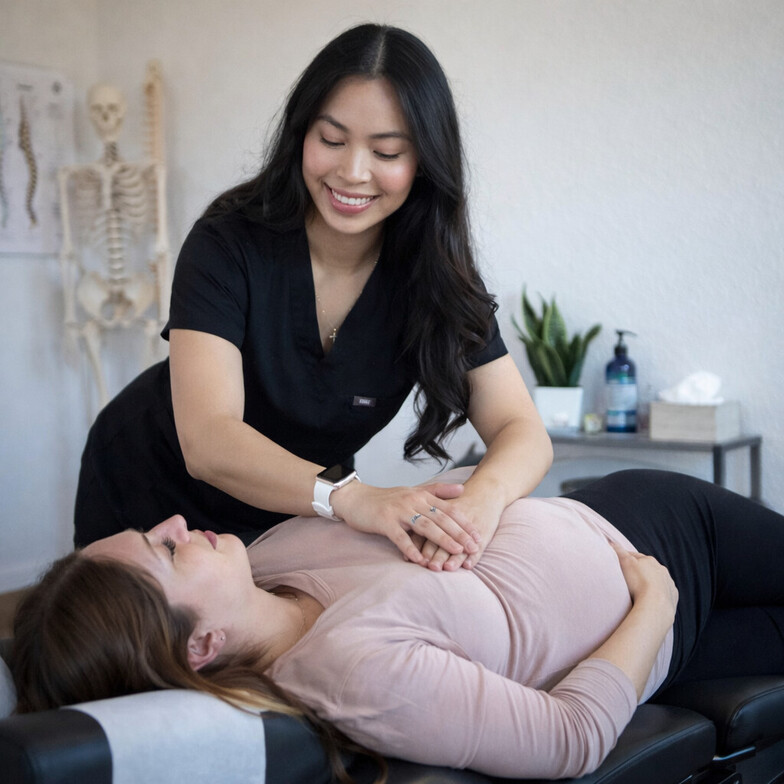
Dr. Anna is Webster Technique certified, and our prenatal chiropractic care is built specifically around pregnancy-related pain like this.
The goal isn’t to “realign” your pelvis.
The goal is to:
-
Improve load transfer through the pelvis
-
Restore controlled motion
-
Support the SI joints
-
Improve deep core + breathing coordination
-
Reduce overworking muscles
At CHIRO HAUS, pregnancy chiropractic care includes:
-
Pregnancy-safe adjustments
-
Gentle joint support
-
Specific stabilization exercises
-
Breathing work
-
Movement retraining
We focus on helping your body tolerate the demands of pregnancy better, not just temporarily calming symptoms.
Is Pelvic Pain a Sign of a Difficult Labor?
Not necessarily.
Pelvic pain does not automatically mean labor complications.
But improving how your pelvis moves and stabilizes can help you:
-
Feel more confident
-
Move better during pregnancy
-
Prepare for labor positions
-
Transition into postpartum recovery more smoothly
When Should You Seek Help?
If pelvic pain is:
-
Affecting sleep
-
Limiting walking
-
Changing how you move
-
Causing anxiety about activity
It’s worth getting evaluated.
Earlier support often means:
-
Faster relief
-
Fewer flare-ups
-
Better tolerance as baby grows
Final Thoughts
Pelvic pain during pregnancy is common.
But suffering through it isn’t required.
Your body is adapting to massive change.
With the right support, it can adapt better.
Ready for Care?
If you’re pregnant in Katy and dealing with pelvic pain, pressure, or instability, we’d love to help.
Book a Free Pregnancy Discovery Visit at CHIRO HAUS
We’ll assess how your body is moving and build a plan that supports you through pregnancy and beyond.
Anna Hoang
Chiropractor | BirthFit Coach | Webster Technique Certified | Graston Technique Certified | SFMA/FMS Provider
Contact Me.jpg)