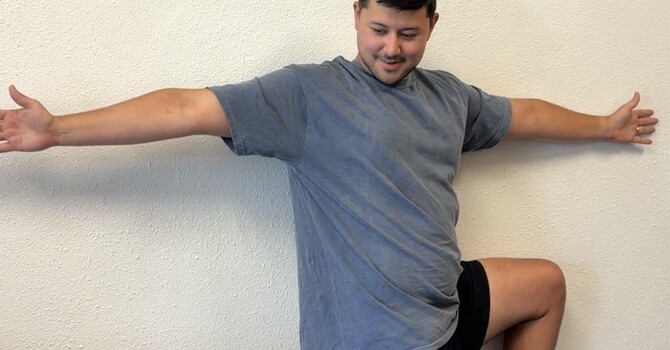
If you've ever reached overhead to grab something off a shelf and felt a sharp pinch, or woken up unable to sleep on one side because of shoulder pain, you may be dealing with a rotator cuff injury. It's one of the most common shoulder problems we see at Chirohaus in Katy, TX, and it affects everyone from weekend athletes to people who spend their day lifting kids, groceries, or gym equipment.
The rotator cuff is a group of four muscles and tendons that wrap around your shoulder joint and keep your arm bone seated properly in its socket. When one or more of those tendons gets strained, inflamed, or torn, even simple movements like brushing your hair or reaching behind your back can become painful. Understanding what's actually happening in your shoulder is the first step toward fixing it, and that's what we want to walk through here.
What Does a Rotator Cuff Injury Feel Like?
Most people describe a dull ache deep in the shoulder that gets sharper with certain movements. Reaching overhead, lifting your arm out to the side, or rolling onto that shoulder at night tend to be the worst offenders. Some patients also notice weakness when trying to lift or carry something, or a catching sensation when they move the arm through a certain range.
The signs of a rotator cuff injury can range from mild irritation that flares up after activity to a constant, nagging pain that limits daily function. In more serious cases, like a partial or full tear, you might struggle to lift your arm above shoulder height at all. The severity depends on which tendon is affected and how much damage has occurred, which is exactly why an accurate assessment matters before jumping into treatment.
Common Causes We See in Katy
Rotator cuff injuries generally show up for one of two reasons: repetitive overhead motion or a sudden traumatic event. Athletes who swim, throw, or lift weights overhead put repeated stress on these tendons over time. Parents lifting toddlers, people doing home improvement projects, and desk workers who spend hours with rounded shoulders and poor posture are also common patients.
We also see a lot of people whose rotator cuff pain traces back to faulty movement patterns rather than the shoulder itself. If your shoulder blade doesn't move well, or your thoracic spine is stiff, your shoulder joint ends up compensating and taking on load it wasn't built to handle. This is one of the reasons a quick adjustment alone rarely solves the problem long term. The tendon irritation is often a symptom of a bigger movement issue.
Why Rest Alone Doesn't Fix It
A lot of patients come to us after trying to just wait it out. They rest the shoulder, avoid the movements that hurt, and hope it heals on its own. Sometimes that works for a mild strain. More often, the pain fades a little, comes back the moment activity resumes, and the shoulder never gets truly strong again.
That's because rotator cuff tendons need controlled loading to heal properly, not just avoidance. Complete rest can actually lead to stiffness and further weakness in the surrounding muscles, setting you up for repeat injuries down the road. Physical therapy for rotator cuff injury cases typically focuses on this exact principle: gradually reloading the tendon and correcting the movement patterns that caused the strain in the first place.
How Chiropractic Rehab Approaches Rotator Cuff Injuries
At Chirohaus, we don't treat rotator cuff injuries with a quick pop and send you on your way. Dr. Anna Hoang, DC, and Dr. Jonathan Chapa, DC, both trained in movement assessment through SFMA and FMS, start every new shoulder patient with a full evaluation. That means looking at how your shoulder blade, thoracic spine, and even your hips move, not just the joint that hurts.
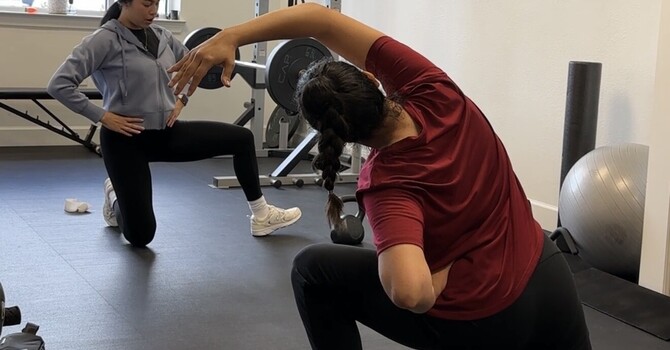
From there, treatment usually combines hands-on work like Graston technique or dry needling to address soft tissue restriction with targeted exercises to rebuild strength and control. Every appointment at Chirohaus runs a full hour, split between the treatment room and our gym space, where patients work through rehab exercises using the same deadlift rack and squat equipment you'd find at a training facility. This is the part traditional chiropractic offices skip entirely, and it's usually the part that actually keeps the pain from coming back.
For patients who want extra support between visits, we also offer a hybrid model through the TrueCoach app. You get a home exercise program with video instruction, and you can record yourself doing the movements and send it in for feedback within 24 hours. It's a practical way to stay consistent with rehab even on weeks when getting into the clinic in Katy isn't easy.
Exercises for Rotator Cuff Injury Recovery
While every treatment plan should be personalized, there are a few categories of exercises for rotator cuff injury recovery that come up often:
- Isometric holds to reduce pain and start reactivating the muscle without aggravating the tendon
- Scapular stabilization work to improve how the shoulder blade moves and supports the joint
- External rotation strengthening, since weakness here is one of the most common findings in rotator cuff cases
- Gradual overhead loading once pain has settled, to rebuild tolerance for the movements that caused trouble in the first place
Trying to guess your way through this on YouTube can sometimes make things worse, especially if the wrong exercise is chosen for your specific injury. This is where a proper assessment saves you time and frustration.
Rotator Cuff Injury Recovery Time
One of the most common questions we get is how long recovery actually takes. A mild strain might improve significantly within four to six weeks of consistent rehab. Moderate tendon irritation often takes closer to two to three months of dedicated work. More significant tears, especially ones that don't respond to conservative care, may need a longer timeline or a conversation about additional imaging and specialist referral.
The honest answer is that recovery time depends heavily on how early you address it and how consistently you follow through on rehab. Patients who show up regularly and do their home exercises tend to recover faster and with fewer setbacks than those who only do the passive treatments.
When to Get Your Shoulder Checked
If shoulder pain has lasted more than a couple of weeks, is limiting your sleep, or is stopping you from doing the activities you care about, it's worth getting evaluated. We regularly work with patients dealing with shoulder pain and rotator cuff issues at our Katy clinic, and we'd rather catch a movement problem early than watch it turn into a bigger one.
If you're dealing with shoulder pain right now, take a look at our page on how we approach shoulder pain treatment, or reach out to schedule an assessment. Our goal isn't just to get you out of pain for a week. It's to help you understand why the pain started and build a shoulder that can actually handle the demands of your life, whether that's the gym, the playground, or just reaching for a coffee mug without wincing.