Introduction
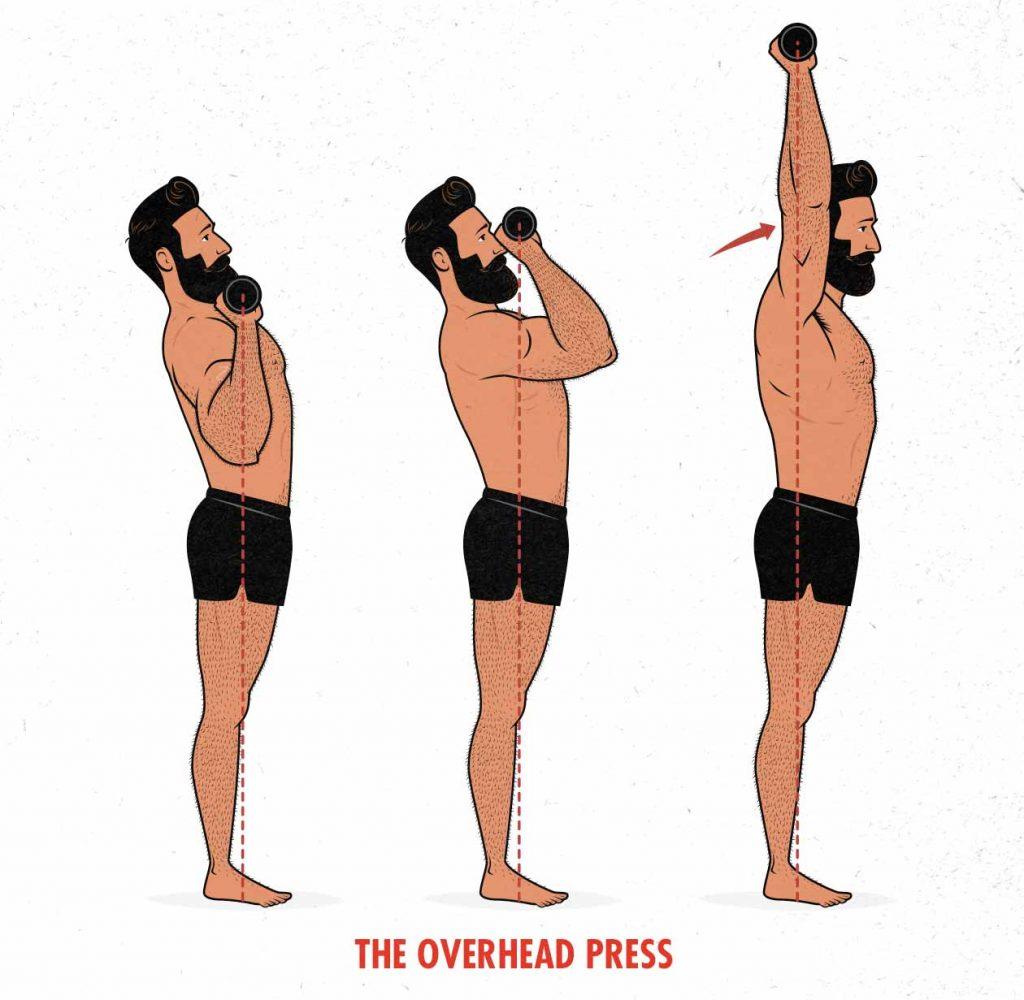
You go to press overhead…
And something doesn’t feel right.
Maybe it’s:
- A pinch at the top
- A dull ache in the front of the shoulder
- Tightness that builds as you keep lifting
- Pain that shows up after your workout
So you rest.
Maybe stretch it.
Maybe modify workouts.
But when you come back…
the pain is still there.
If this sounds familiar, you’re not alone.
And here’s the key:
Shoulder pain during overhead movements is rarely just a shoulder problem.
Why Overhead Movements Are So Demanding
Your shoulder is one of the most mobile joints in your body.
But that mobility comes at a cost:
it relies heavily on coordination and stability
To lift overhead properly, your body needs:
- Shoulder mobility
- Shoulder blade control
- Thoracic spine movement
- Rib cage positioning
- Core stability
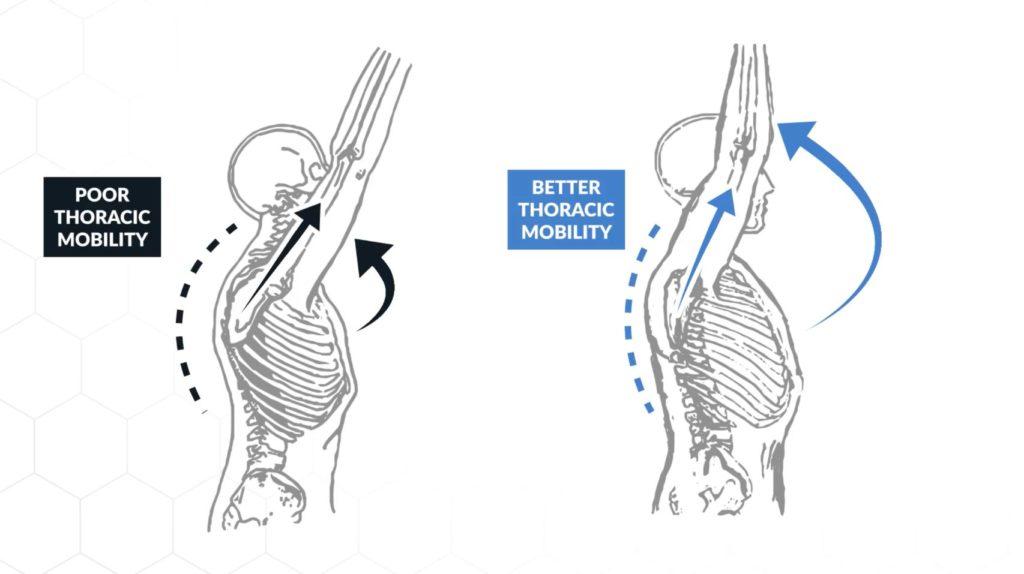
If any of these are off, your shoulder absorbs more stress than it should.
The Most Common Cause We See
One of the biggest issues is:
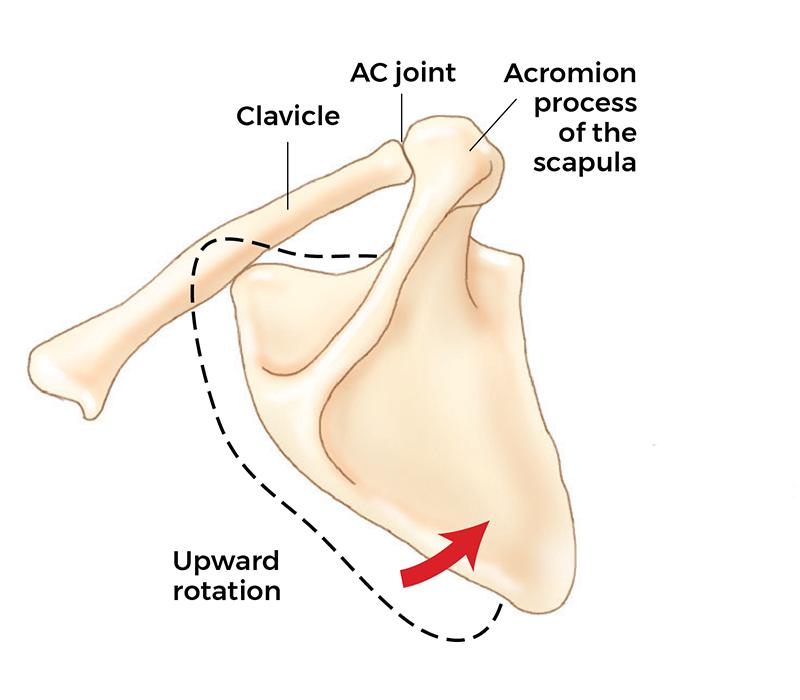
lack of coordination between the shoulder blade and the rib cage
This can lead to:
- Poor upward rotation
- Shoulder “pinching” sensation
- Overuse of the front of the shoulder
- Reduced space in the joint during movement
Over time, this creates irritation.
Why It Feels Like “Impingement”
Many people get told they have “shoulder impingement.”
But what that often really means is:
your shoulder is running out of space during movement
And that usually happens because:
- The shoulder blade isn’t moving well
- The thoracic spine is stiff
- The rib cage is not positioned well
Not because something is permanently damaged.
Why Rest and Stretching Don’t Fix It
Rest might calm things down temporarily.
Stretching might feel good.
But when you go back to lifting:
the same movement pattern is still there
So the pain returns.
Because the system hasn’t changed.
What Actually Helps Shoulder Pain Overhead
The goal isn’t to avoid overhead work forever.
This is the kind of pattern we screen for in athletic recovery care, where the goal is finding what's actually driving the problem.
It’s to build a better system.
That usually involves:
Improving thoracic mobility
So your body can extend properly overhead
Restoring shoulder blade control
So movement is smooth and coordinated
Managing rib cage position
So your shoulder isn’t forced into bad positions
Building stability under load
So your body can handle workouts again
What This Looks Like at CHIRO HAUS
At CHIRO HAUS, we don’t just look at your shoulder.
We assess:
- How your entire upper body moves
- Where compensation is happening
- What’s overworking vs underworking
Then we build a plan that includes:
- Targeted manual therapy
- Movement retraining
- Strength and stability work
- Gradual return to performance
So you can lift without constantly worrying about pain.
Signs You Should Get It Checked Out
You may need help if:
- Pain keeps coming back
- Overhead movements feel restricted
- You avoid pressing movements
- Pain shows up during or after workouts
- You’ve tried resting and it didn’t stick
Final Thoughts
Your shoulder isn’t broken.
It’s adapting to how your body moves.
Fix the movement, and the pain often improves.
What To Do Next?
If overhead lifting is causing shoulder pain, we can help you figure out why.
At CHIRO HAUS in Katy, TX, we specialize in helping active adults and athletes move better so they can train without setbacks.
Book a Free Discovery Visit and let’s get you back to lifting confidently.
.jpg)