You’re working out consistently.
You’re pushing yourself.
You’re doing everything “right.”
But you still feel:
- Constantly sore
- Tight in the same areas
- Slower than you should be
- Fatigued between workouts
At some point, it starts to feel like your body just isn’t keeping up.
Here’s the truth:
Most people don’t have a training problem.
They have a recovery problem.
What “Recovery” Actually Means
Recovery isn’t just rest days or stretching.
It’s your body’s ability to:
- Adapt to stress
- Rebuild tissue
- Restore movement
- Regain coordination
- Prepare for the next session
If recovery is incomplete, your body carries fatigue forward — and that’s where performance plateaus and pain begin.
Why You Feel Sore All the Time
Soreness isn’t always a bad thing.
But constant soreness is usually a sign your body is not fully recovering.
Common reasons include:
- Poor movement patterns
- Lack of joint mobility
- Weak or poorly coordinated stabilizers
- Overuse of certain muscle groups
- Inadequate load management
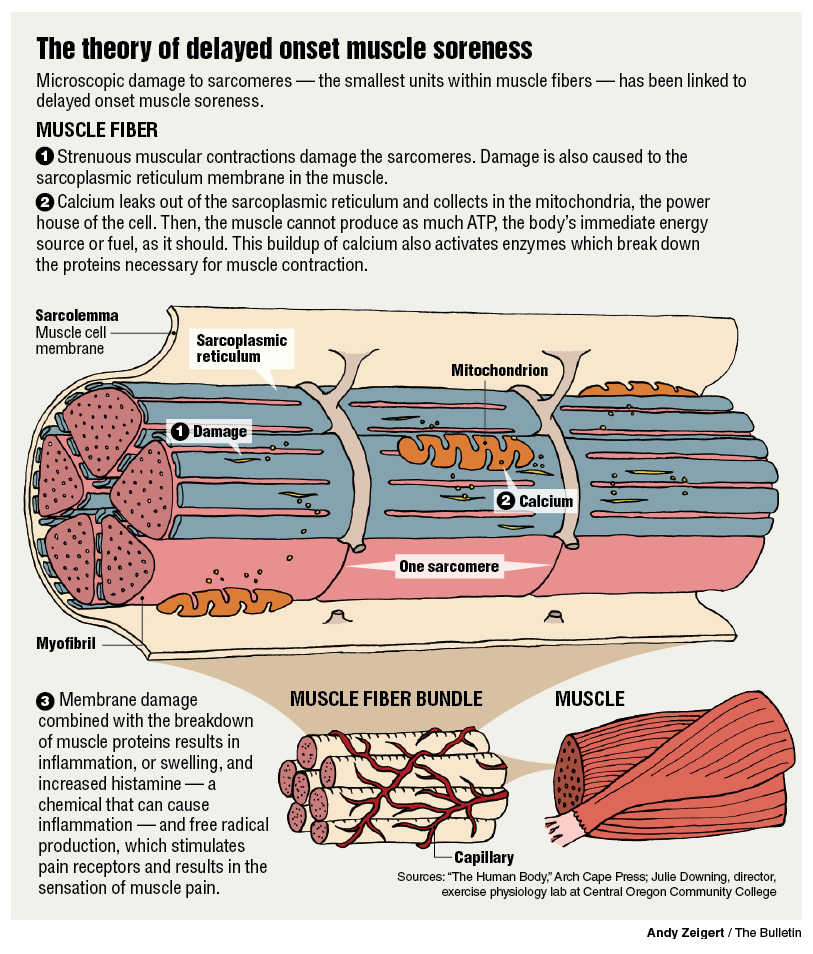
Instead of adapting, your body stays in a cycle of breakdown without full rebuild.
The Hidden Problem: Compensation
Most athletes don’t realize this:
You’re not just sore — you’re compensating.
That means:
- Certain muscles are doing too much work
- Other areas aren’t contributing enough
- Movement becomes inefficient
Example:
If your hips aren’t moving well → your lower back works harder
If your shoulder lacks stability → your neck takes over
Over time, this leads to:
- Repeated soreness in the same spots
- Decreased performance
- Increased injury risk
Why Stretching Isn’t Fixing It
Stretching can help temporarily.
But if your issue is:
- Stability
- Coordination
- Load management
Then stretching alone won’t solve the problem.
This is why people say:
“I stretch all the time, but I still feel tight.”
Tightness is often the result of overworked muscles, not short muscles.
What Actually Improves Recovery
Real recovery focuses on helping your body move better, not just feel better.
That includes:
- Restoring joint motion
- Improving movement patterns
- Building stability where it’s lacking
- Reducing unnecessary muscle tension
- Gradually progressing load
At CHIRO HAUS, recovery is approached through:
- Movement assessments
- Targeted manual therapy
- Rehab-based exercise programs
- Performance-focused progression
This helps athletes not just recover — but perform better long-term.
Signs Your Recovery Needs Work
You might need to focus on recovery if:
- You’re always sore in the same areas
- Your performance has plateaued
- You feel stiff even after warm-ups
- You’re constantly dealing with small injuries
- You feel better after rest, but symptoms return quickly
Final Thoughts
Training breaks your body down.
Recovery is what builds it back up.
If recovery isn’t dialed in, more training won’t fix the problem.
It just adds more stress to a system that isn’t adapting properly.
We Are Here To Help.
If you feel like your body isn’t recovering the way it should, we can help you figure out why.
At CHIRO HAUS in Katy, TX, we specialize in movement-based care designed to help active adults and athletes recover better, move better, and perform at a higher level.
Book a Free Discovery Visit and let’s build a smarter approach to your training and recovery.
.jpg)