You did not get hurt in one moment. There was no dramatic collision, no snap, no obvious incident. You just kept training, and at some point your body started sending signals that something was wrong. A dull ache in your elbow that shows up during lifting. Knee pain that creeps in around mile three. A shoulder that feels fine in the morning but flares up during your overhead press.
This is what an overuse injury looks like, and it is one of the most common reasons active adults and athletes find themselves frustrated and stuck.
The good news is that overuse injuries respond very well to the right care. The challenge is that most people either push through them until they become serious or they seek out treatment that only addresses the symptom without looking at why the injury developed in the first place.
What Is an Overuse Injury?
An overuse injury develops when repetitive stress is placed on a tissue, joint, or muscle group faster than the body can recover and adapt. Unlike acute injuries, which result from a single traumatic event, overuse injuries accumulate gradually over weeks or months of training, competition, or repetitive movement.
Common overuse injuries in active adults and athletes include:
- Tennis elbow and golfer's elbow (lateral and medial epicondylitis)
- Patellar tendinopathy and IT band syndrome (knee overuse injury)
- Rotator cuff tendinopathy (shoulder overuse injury)
- Achilles tendinopathy and plantar fasciitis
- Stress fractures from running or jumping sports
- Hip flexor strains and low back pain in lifters and field athletes
The body part that hurts is rarely the full story. In most overuse cases, something else is driving the load into that tissue. A faulty movement pattern, a mobility restriction at a neighboring joint, a muscle group that has gone quiet and let another structure pick up the slack. Without finding and fixing that underlying driver, treatment that only focuses on the painful area tends to provide temporary relief at best.
Why Traditional Approaches Often Fall Short
Most people dealing with an overuse injury try a few things before they find what actually works. They rest, which helps in the short term but does not fix the movement problem that created the injury. They get a massage or try passive therapies that feel good in the moment but wear off quickly. Some see a traditional chiropractor for adjustments. Some try generic physical therapy exercises from a handout.
These approaches are not without value. But if the underlying movement dysfunction is never identified and corrected, the pain keeps coming back. Rest long enough and you feel fine. Return to training and the cycle starts over.
This is one of the most common things we hear at Chiro Haus from athletes coming in for the first time: "I've tried everything, I feel better for a little while, and then it comes back."
How a Sports Chiropractor Approaches Overuse Injuries
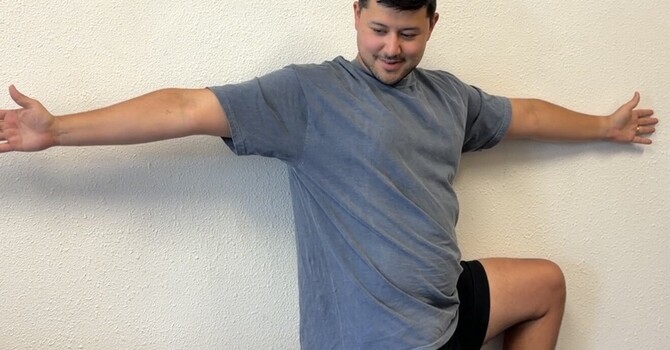
At Chiro Haus in Katy, TX, Dr. Jonathan Chapa approaches overuse injury treatment by starting with a thorough movement assessment using SFMA and FMS screening. The goal is to find where the actual dysfunction lives, because it is often not where the pain is.
This is the kind of pattern we screen for in athletic recovery care, where the goal is finding what's actually driving the problem.
Someone with chronic elbow pain from lifting may have a restriction in wrist mobility or shoulder rotation that is shifting load onto the elbow with every rep. Someone with knee pain during runs might have limited hip mobility or glute activation that is causing the knee to absorb forces it was never designed to handle. The body compensates brilliantly, but those compensations have a cost.
Once the movement dysfunction is identified, care at Chiro Haus moves through three phases.
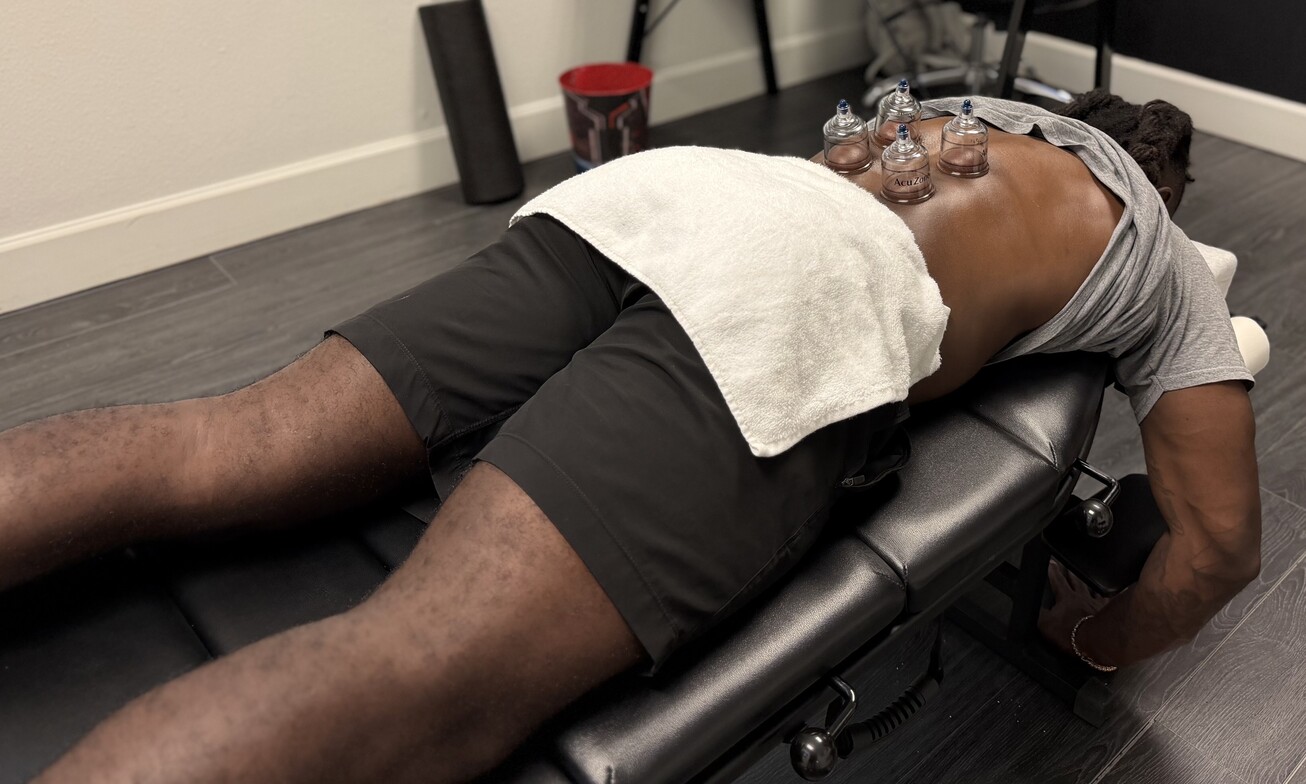
Stabilization is about finding the root cause and resolving it. That might involve soft tissue work like dry needling, cupping, or FAKTR-certified instrument-assisted techniques to address tissue restrictions, combined with targeted exercise to wake up inhibited muscles and restore proper joint mechanics.
Integration is where the corrected movement patterns get loaded and practiced in real movements. This is where the on-site gym area at Chiro Haus makes a real difference. Squats, deadlifts, sport-specific movements, overhead patterns — these are coached in-session with Dr. Chapa watching your form and making corrections in real time. The goal is not just to feel better; it is to move better under load.
Optimization is the final phase, where the focus shifts to performance. You are no longer managing an injury. You are building on a better movement foundation so the overuse injury does not return.
Each visit runs close to an hour, with roughly half the time spent on hands-on treatment and the other half on active rehab. No two patients get the same plan, because overuse injuries are never identical.
Staying on Track Between Visits
One of the biggest gaps in overuse injury treatment is what happens between appointments. If you only do your rehab exercises when you are in the clinic, recovery is slow and inconsistent.
Chiro Haus addresses this through its hybrid coaching model. Patients get access to a personalized home exercise program through TrueCoach, with video instructions for every exercise. You can record yourself performing the movements and send the footage to Dr. Chapa, who responds with feedback within 24 hours. This level of ongoing support keeps progress moving between visits and helps reinforce the correct patterns you are building in the clinic.
For athletes with busy schedules or those who travel for their sport, this model also means your recovery does not have to pause when you are not able to come in.
Who This Approach Works For
The athletes and active adults who tend to get the most out of this kind of care are the ones who are tired of the cycle. They have rested, they have done the passive therapies, and they are ready for someone to actually figure out what is driving the problem.
Dr. Chapa works with a wide range of athletes and active adults dealing with overuse injuries, including recreational lifters, runners, field sport athletes, CrossFit athletes, and people who simply want to stay in the gym without pain flaring up every few weeks. You do not need to be competing at an elite level to deserve a proper return-to-sport plan.
When to Seek Help for an Overuse Injury
Waiting too long is one of the most common mistakes athletes make with overuse injuries. A dull ache that is tolerable today can become a significant structural issue if the load keeps going through a compromised tissue for months. The earlier you address the movement problem driving the injury, the faster and more completely you recover.
If you have been dealing with a nagging overuse injury in Katy or the West Houston area and previous treatments have not given you lasting results, a movement-based assessment is a logical next step.
You can learn more about the athletic recovery approach at Chiro Haus at here or reach out directly to book a consultation.
.jpg)