Taking that first step to book an appointment takes courage — especially when you're a new mom juggling everything at once, running low on sleep, and genuinely unsure whether what you're feeling is "worth" getting checked out.
It is worth it. And we want you to feel completely at ease walking through our doors. So here's exactly what your first postpartum visit at CHIRO HAUS looks like — from the moment you arrive to the plan we build together before you leave.
No surprises. No rushing. Just you, your doctor, and a clear path forward.
Book your discovery visit and we'll take it from there.
We want your first visit to feel easy — not like another errand on an already full plate. Here's how to prepare:
Your first visit begins with a real conversation — not a clipboard of forms handed to you in a waiting room. You'll sit down with your doctor (at CHIRO HAUS, that's always 1-on-1, never a technician or assistant) and we'll simply talk.
We want to understand your full picture — not just the pain. We'll ask about:
This conversation typically takes about 15 minutes. We listen carefully, ask follow-up questions, and make sure we understand not just your symptoms but your life — because that context shapes everything that comes next.
This is where CHIRO HAUS is different from most chiropractic offices — and it's the part our patients find most eye-opening.
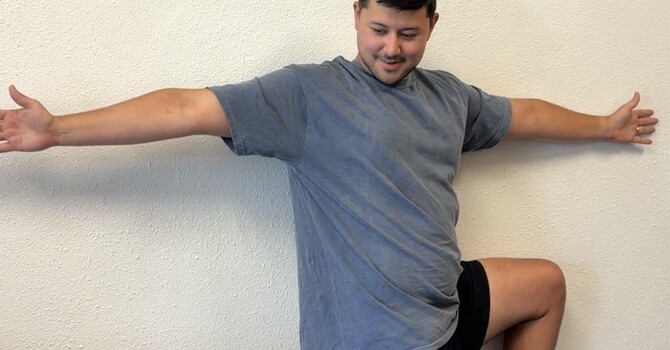
Rather than going straight to the area that hurts, we start by looking at how your whole body moves. We use a clinical assessment called the Selective Functional Movement Assessment — the SFMA — to evaluate seven fundamental movement patterns: how you bend, rotate, reach, squat, and balance.
This matters because pain in one place is almost never caused by a problem in that exact same place. A postpartum mom with lower back pain might actually have a hip mobility restriction that's forcing her lumbar spine to compensate. Or a pelvic floor coordination issue. Or a thoracic stiffness pattern from months of nursing posture. The SFMA helps us identify the actual root cause — not just chase the symptom.
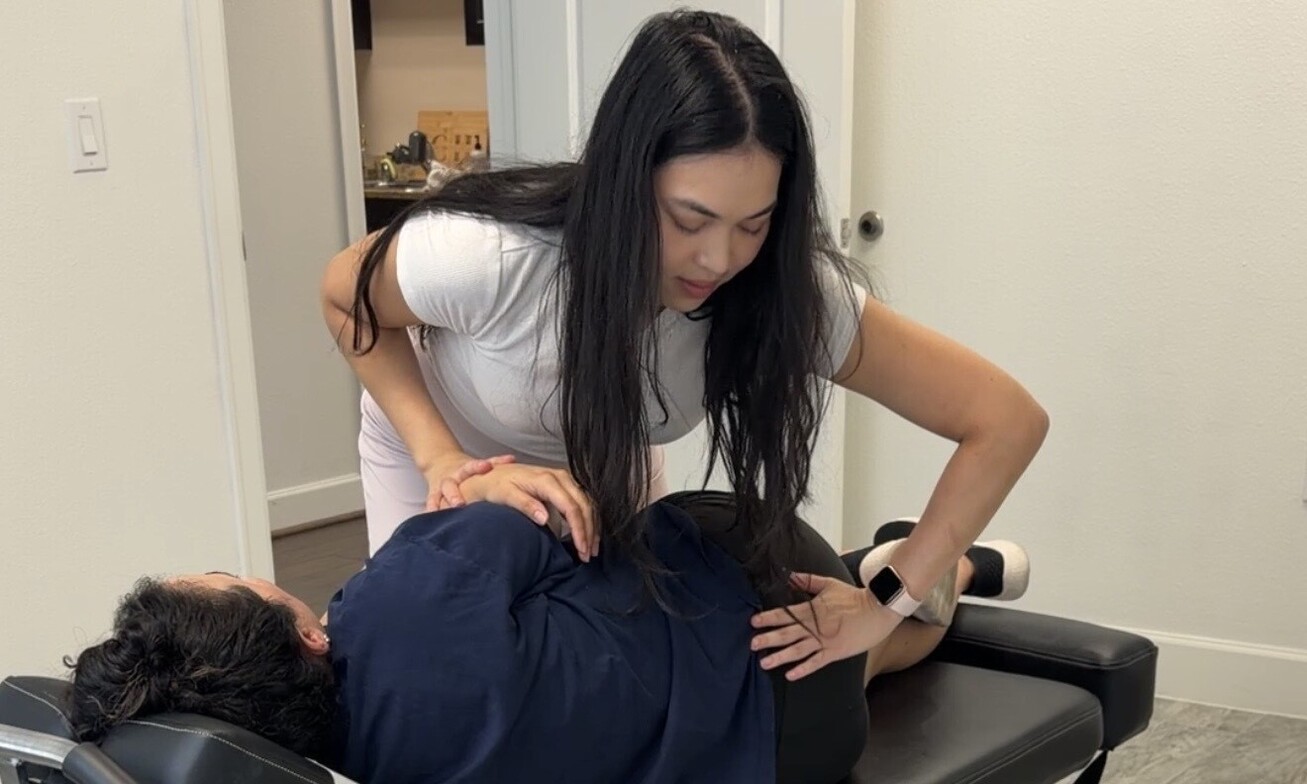
Once we understand what's going on, we get to work — right there in that first session. You won't leave with just a piece of paper and a follow-up appointment weeks away. You'll receive hands-on care the same day.
Depending on what the movement screen reveals, your first treatment may include a combination of:
A first visit at CHIRO HAUS typically runs 45–60 minutes. We never feel rushed, and neither should you.
Before you leave, we'll set you up with a home program through TrueCoach — a platform we use to deliver personalized exercise programming directly to your phone.
This isn't a generic PDF of exercises. It's a specific, progressive program built around what your movement screen revealed and what your body needs right now. Each exercise comes with video demonstrations so you know exactly how to do it — and how it should feel.
Before you leave, we'll have an honest conversation about what we found and what we recommend. We'll outline a care plan that makes sense for where you are — not a rigid schedule that doesn't fit your life.
For most postpartum patients, we typically recommend:
Most of our postpartum patients notice meaningful improvement within the first 3–4 visits. Full resolution — including return to exercise, lifting, and whatever activities you love — typically takes 6–10 weeks, depending on how long symptoms have been present and what's driving them.
For vaginal deliveries, gentle chiropractic care can begin as early as a few days after birth, depending on how you're feeling. For C-sections, we typically wait until your incision has begun to heal — usually around 4–6 weeks — though we can still see you earlier for upper back and neck work if needed. You don't need to wait for your 6-week OB clearance to come in for an initial assessment.
Absolutely. Chiropractic adjustments are completely safe while breastfeeding. We factor your breastfeeding status into the positioning and techniques we use — for example, we'll always offer prone positioning alternatives if lying on your stomach is uncomfortable. If you need to nurse your baby during the appointment, please do. We've seen it all and we'll simply keep going.
Chiropractic adjustments are not painful — though you may feel some temporary soreness afterward, similar to how your muscles feel after a good workout. We always use the gentlest effective technique, especially in the early postpartum period when tissues are still healing. We'll check in with you throughout and adjust our approach based on your feedback.
C-section recovery is something we address thoughtfully and specifically at CHIRO HAUS. We include scar tissue assessment and mobilization as part of our postpartum evaluation — because the fascial changes from a C-section directly affect how load transfers through your core and lower back, and addressing that scar is often a missing piece for moms who aren't improving with other approaches.
Never. We see moms at every stage — 6 weeks, 6 months, 3 years out. The body responds remarkably well to the right input regardless of how long the issue has been present. The approach may look slightly different for a mom who is 2 years postpartum versus 2 months, but the fundamental process — assess, treat, program, progress — is the same.
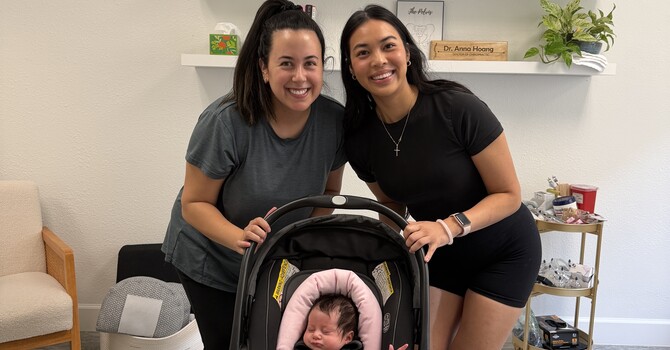
Yes! We also offer pediatric chiropractic care for newborns and infants at CHIRO HAUS. Many families find it convenient to bring both mom and baby in together. If you're interested in having your baby evaluated as well, just let us know when you book and we'll set aside time for both of you.
Your first visit is free — a 15-minute discovery visit with no pressure and no obligation. Just an honest conversation about where you are and whether we're the right fit to help.
We serve moms in Katy, Cinco Ranch, Richmond, and the greater Houston area. We'd love to meet you.
Book Your Free Discovery Visit →
Anna Hoang
Chiropractor | BirthFit Coach | Webster Technique Certified | Graston Technique Certified | SFMA/FMS Provider
Contact Me