Introduction
Squats are one of the most effective exercises you can do.
But for many people, they come with a frustrating problem:
knee pain
You might notice:
- Pain at the bottom of a squat
- Discomfort going up or down stairs
- A sharp or dull ache around the kneecap
- Pain that lingers after workouts
So naturally, the question becomes:
“Is something wrong with my knee?”
Not always.
In many cases, your knee is just the messenger, not the problem.
Why Knee Pain Happens During Squats
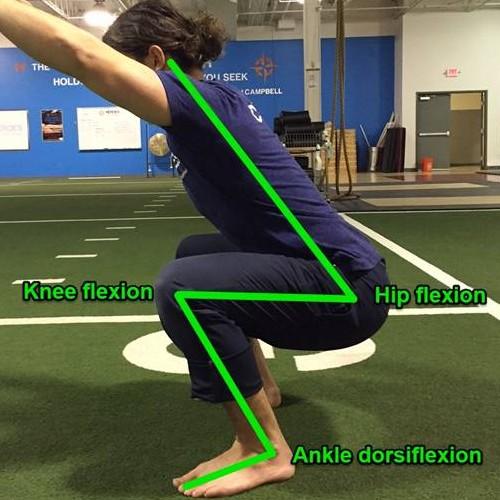
Your knee sits between your hip and your ankle.
That means it relies heavily on what’s happening above and below it.
If your body isn’t distributing load properly, your knee ends up taking more stress than it should.
Common contributors include:
- Limited ankle mobility
- Poor hip control
- Weak or poorly timed glute activation
- Lack of stability through the core
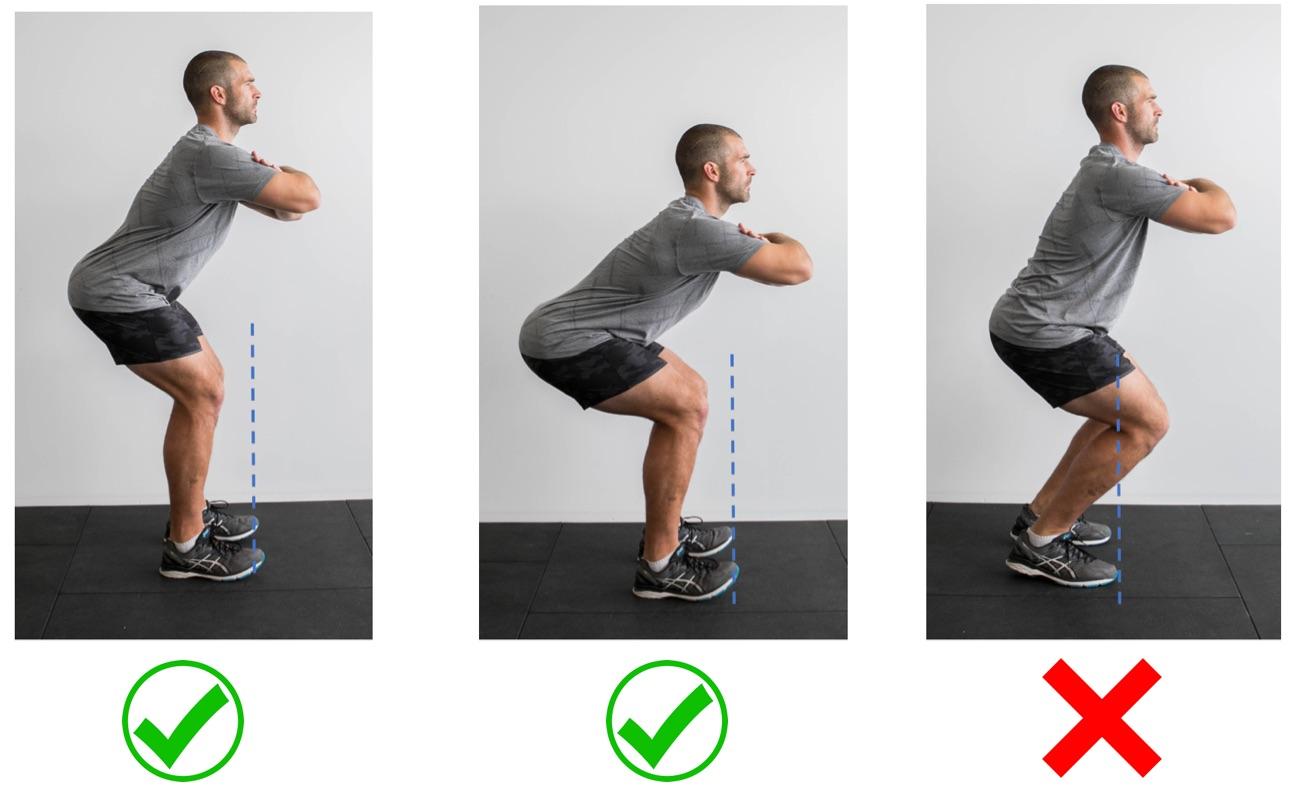
The Most Common Pattern We See
One of the most frequent patterns is:
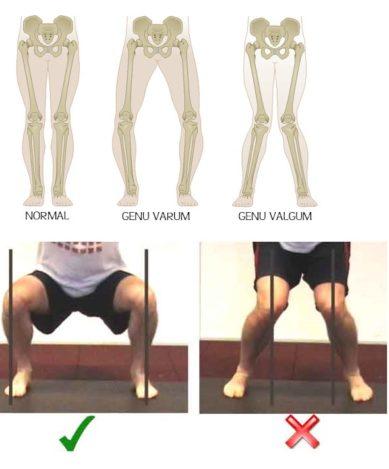
the knee collapsing inward during a squat
This often happens when:
- The hips aren’t controlling rotation well
- The feet and ankles aren’t stable
- The body is trying to find the easiest path down
Over time, this increases stress on the knee joint and surrounding tissues.
Why Rest or Ice Doesn’t Fix It
Rest might reduce symptoms temporarily.
But once you go back to squatting…
the pain often returns
Because the movement pattern hasn’t changed.
Knee pain during squats is usually a movement problem, not just an inflammation problem.
Why Stretching Isn’t the Full Answer
You might have tried:
- Quad stretches
- Hamstring stretches
- Foam rolling
These can help short term.
But if your issue is:
- Control
- Stability
- Coordination
Then stretching alone won’t solve it.
What Actually Helps Knee Pain When Squatting
The goal isn’t to stop squatting.
It’s to improve how you squat.
That usually involves:
Improving ankle mobility
So your knees can move forward without compensation
Building hip control
So your knees track properly
Strengthening stabilizers
So your body can handle load
Re-training movement patterns
So stress is distributed efficiently
What This Looks Like at CHIRO HAUS
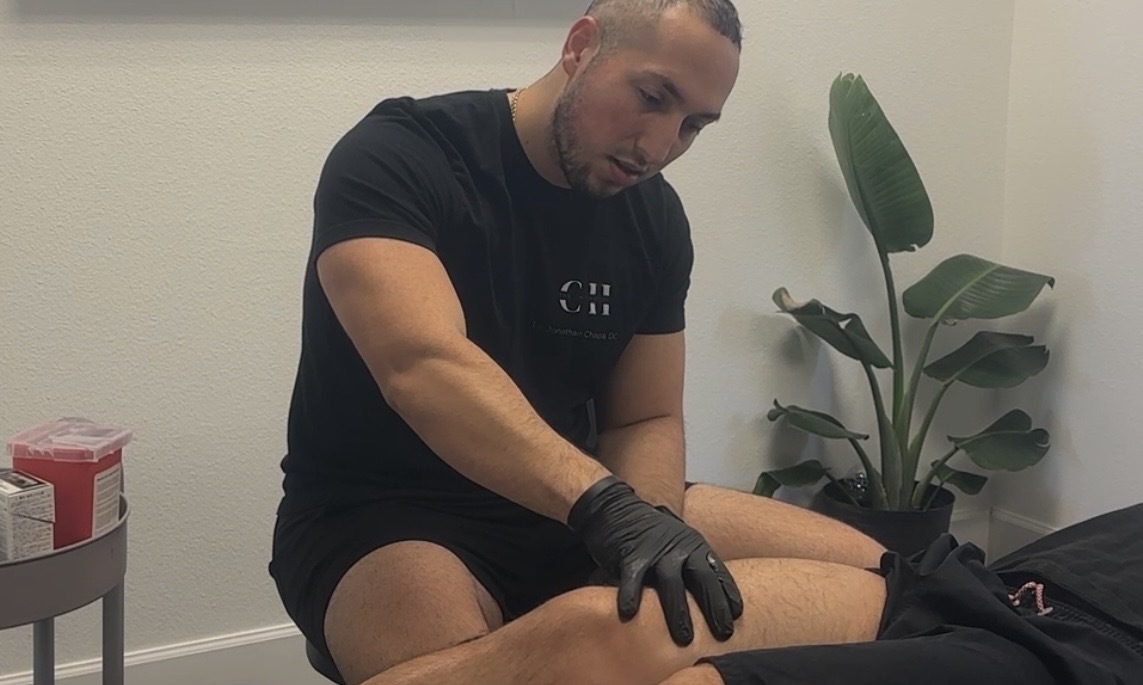
At CHIRO HAUS, we don’t just treat the knee.
We assess:
- How your entire body moves
- Where compensation is happening
- What’s overworking vs underworking
Then we build a plan that includes:
- Targeted manual therapy
- Movement correction
- Strength progressions
- Performance-focused rehab
So you can get back to training without fear of pain returning.
Signs You Should Get It Checked Out
You may need help if:
- Pain keeps coming back
- Squats feel worse over time
- You avoid certain movements
- You’ve had previous knee injuries
- Pain is affecting your workouts
Final Thoughts
Knee pain during squats doesn’t mean you need to stop training.
It usually means your body needs better support.
Fix the movement, and the symptoms often improve.
What to do Next
If squatting is causing knee pain, we can help you figure out why.
At CHIRO HAUS in Katy, TX, we specialize in helping active adults and athletes move better so they can train without setbacks.
Book a Free Discovery Visit and let’s get you back to training confidently.
.jpg)