Many moms expect that once the baby is born, their body will quickly return to normal.
But for many women, back pain doesn’t disappear after delivery.
In fact, some moms notice their pain actually gets worse during the postpartum months.
You might notice:
-
Aching in the lower back while holding your baby
-
Pain when getting up from the floor
-
Stiffness after feeding or rocking your baby
-
Back fatigue by the end of the day
Postpartum back pain is extremely common — but understanding why it happens is the first step toward addressing it.
Why Back Pain Can Continue After Pregnancy
Even though pregnancy has ended, the body is still adapting.
After delivery, several factors can contribute to ongoing discomfort:
-
Abdominal muscles remain stretched and weak
-
The pelvic floor is still recovering
-
Hormones that affect joint stability may remain elevated
-
New physical demands appear (feeding, carrying, rocking)
Your body is essentially learning how to stabilize again after months of change.
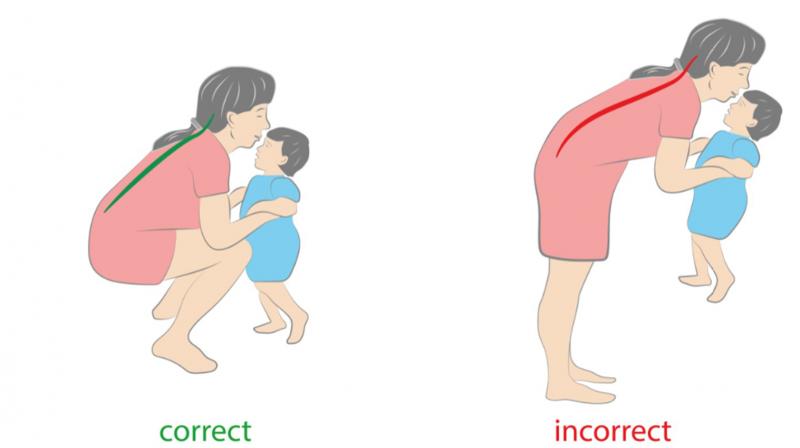
These changes can place additional stress on the lower back if the core and pelvis aren’t working together efficiently yet.
Why New Moms Often Feel It Most While Holding the Baby
One of the most common triggers for postpartum back pain is prolonged baby holding.
When holding a baby, many moms unknowingly:
-
Lean backward
-
Arch the lower back
-
Let the ribs flare upward
-
Grip through the lower back muscles
Over time, this creates fatigue in the muscles that support the spine.
This is why back pain often shows up after long periods of feeding, rocking, or carrying the baby.
Is Postpartum Back Pain Normal?
Some discomfort during recovery is common.
But persistent or worsening pain may mean your body needs more support during the recovery process.
Postpartum recovery is not simply about waiting for things to “heal.”
It often requires retraining how the body stabilizes and moves after pregnancy.
What Actually Helps Postpartum Recovery
Effective postpartum care usually focuses on:
-
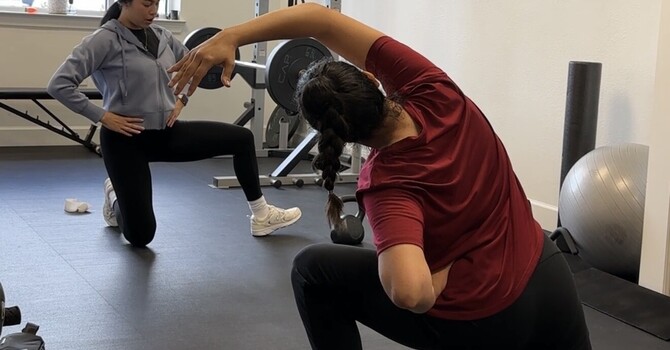
Restoring deep core coordination
-
Supporting pelvic floor recovery
-
Improving breathing mechanics
-
Reintroducing strength gradually
-
Improving joint mobility where needed
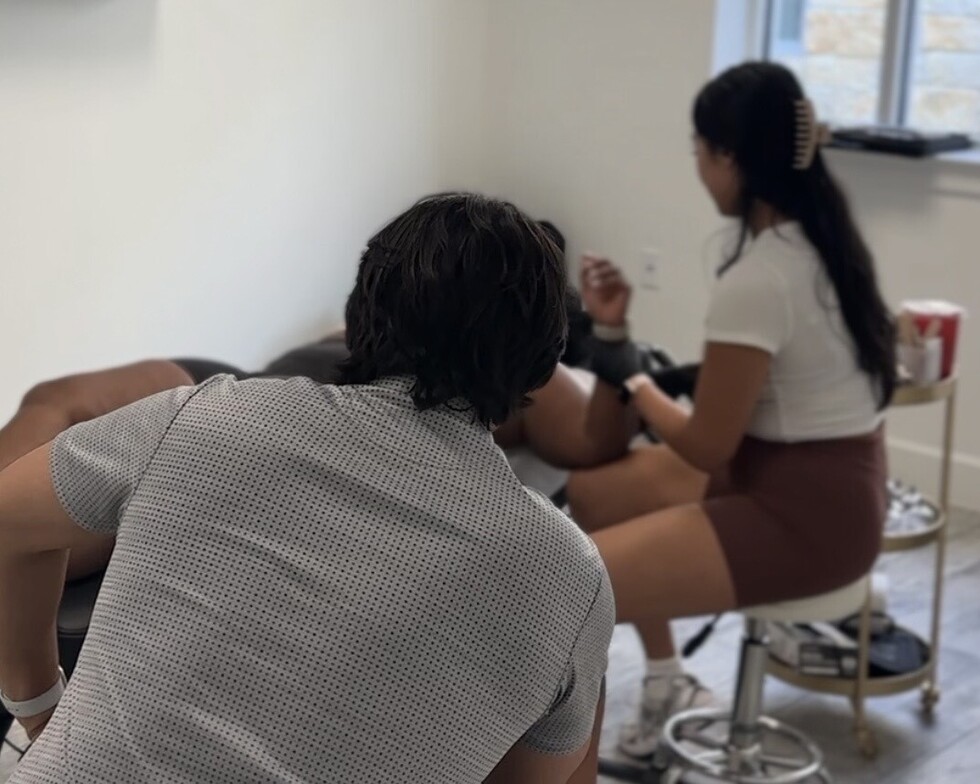
Many women also benefit from movement-based chiropractic care, which can help restore comfortable motion while supporting the body’s recovery.
When Should You Seek Help?
It may be helpful to get evaluated if postpartum back pain:
-
Persists several weeks after delivery
-
Limits daily activities
-
Interferes with caring for your baby
-
Continues to worsen over time
Early support can help prevent lingering symptoms as your body adjusts to motherhood.
Final Thoughts
The postpartum period is one of the most physically demanding times in a woman’s life.
If your back is hurting after pregnancy, it doesn’t mean your body is failing — it simply means your body may need guidance as it rebuilds strength and coordination.
With the right support, many moms are able to return to feeling strong, capable, and comfortable again.
What's Next If I Want Help
If you’re experiencing postpartum back pain and want guidance during recovery, our team at CHIRO HAUS in Katy, TX specializes in movement-based care designed to support mothers during the postpartum period.
You can learn more about our Postpartum Chiropractic Care and how we help moms safely return to strength and activity.
Anna Hoang
Chiropractor | BirthFit Coach | Webster Technique Certified | Graston Technique Certified | SFMA/FMS Provider
Contact Me